Building a home is one of the most significant investments you'll ever make and one of the most personal. Whether you're planning a custom home in the hills above Los Angeles, a multi-family property in a dense urban neighborhood, or a residence on a challenging slope lot, the builder you choose will determine how smoothly the process goes and how well the finished home holds up for decades.
The problem? Not every contractor who calls themselves a "home builder" has the experience, licensing, or integrity to deliver on that promise. According to industry professionals, choosing the wrong builder is one of the most common and costly mistakes homeowners make.
Here's what the experts say you need to know before you sign a contract.
Start With Licensing, Insurance, and Credentials
Before anything else, verify that any builder you're considering holds a valid California Contractor's License issued by the Contractors State License Board (CSLB). This is non-negotiable. Licensed builders are required to carry liability insurance and workers' compensation coverage, which protects you if something goes wrong on the job.
Ask for their license number and verify it directly on the CSLB website. Then ask for proof of insurance. Any reputable builder will provide both without hesitation. If they hesitate or make excuses, walk away.
Beyond basic licensing, look for builders who are members of professional organizations like the National Association of Home Builders (NAHB) or the California Building Industry Association (CBIA). Membership isn't a guarantee of quality, but it signals a commitment to ongoing education and industry standards.
Experience Matters Especially for Specialized Projects
Not all construction projects are created equal. A contractor with 20 years of experience building standard tract homes may be completely out of their depth on a hillside residence or an Accessory Dwelling Unit (ADU) on a narrow infill lot.
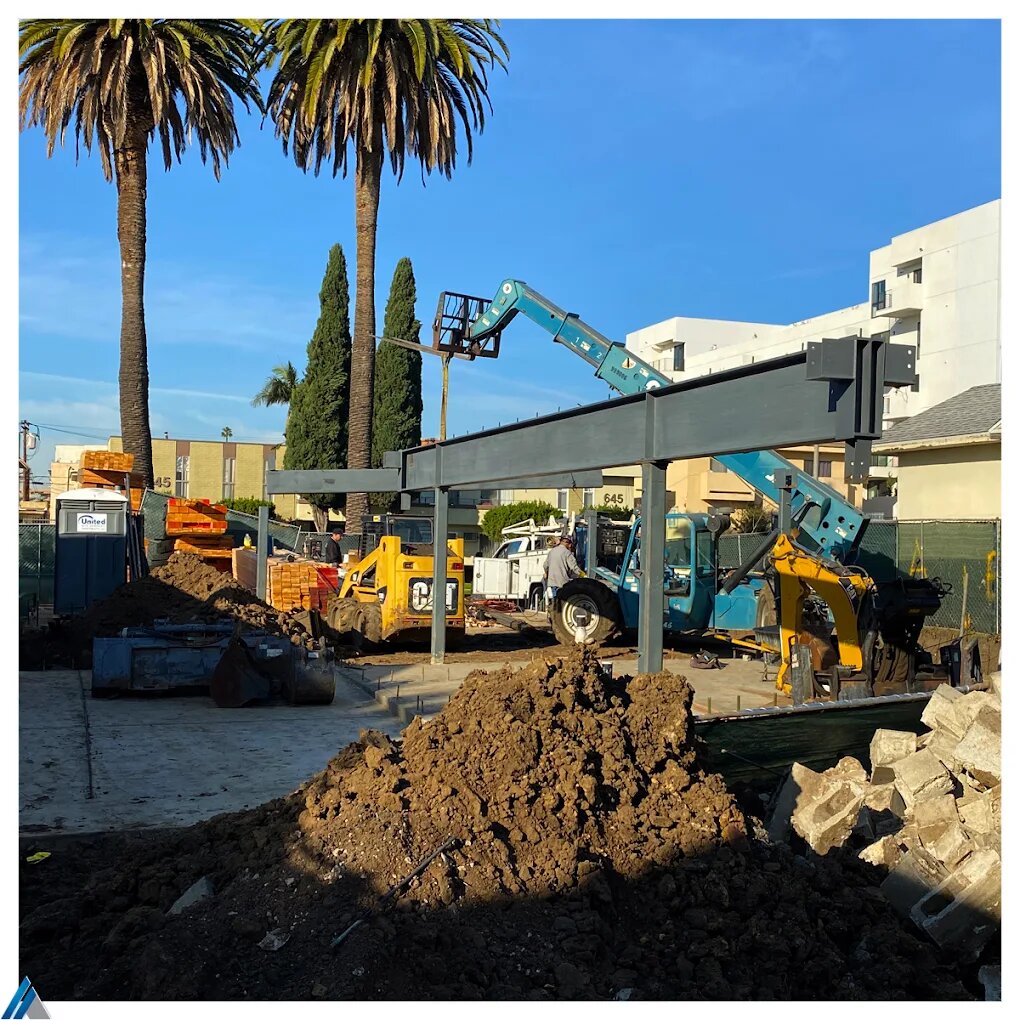
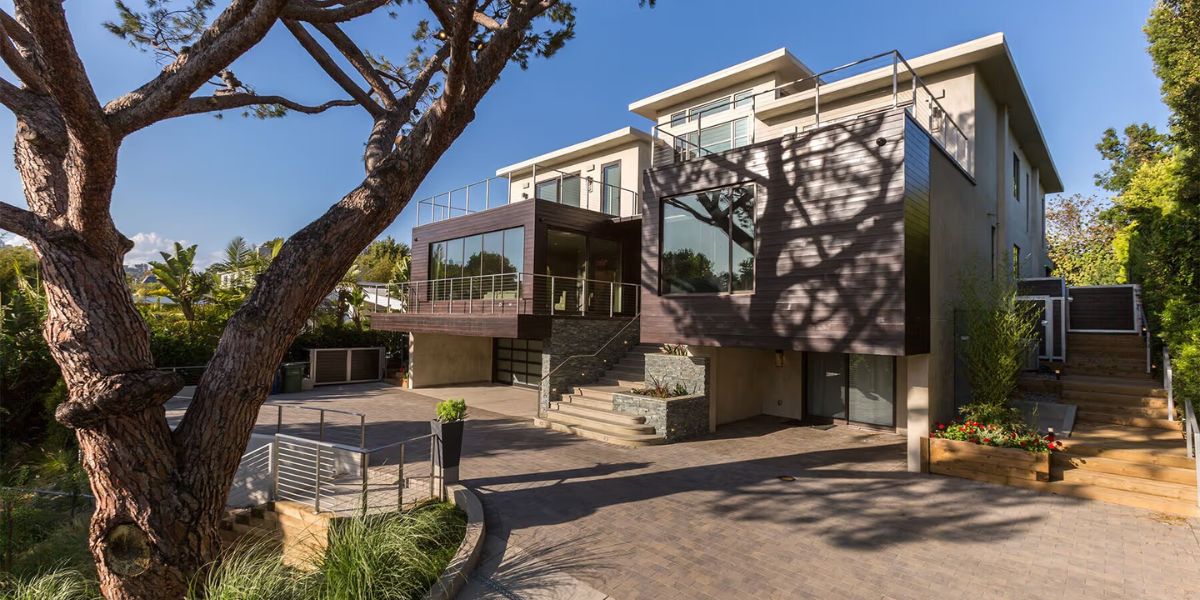
If you're planning to build on a slope lot, for example, you need a slope lot home builder with demonstrated expertise in grading, retaining walls, drainage systems, and structural engineering for uneven terrain. California's hillside environments particularly in areas like Los Angeles and its surrounding communities present unique geological and regulatory challenges. Look for builders with a portfolio that includes similar projects and ask specifically how many hillside or slope builds they've completed.
The same logic applies to multi family home builders. Constructing a duplex, triplex, or apartment complex involves a different set of codes, permitting processes, and structural considerations than a single-family home. Experienced multi-family builders understand California's density bonus laws, fire separation requirements, and cost-efficiency strategies that general contractors simply may not.
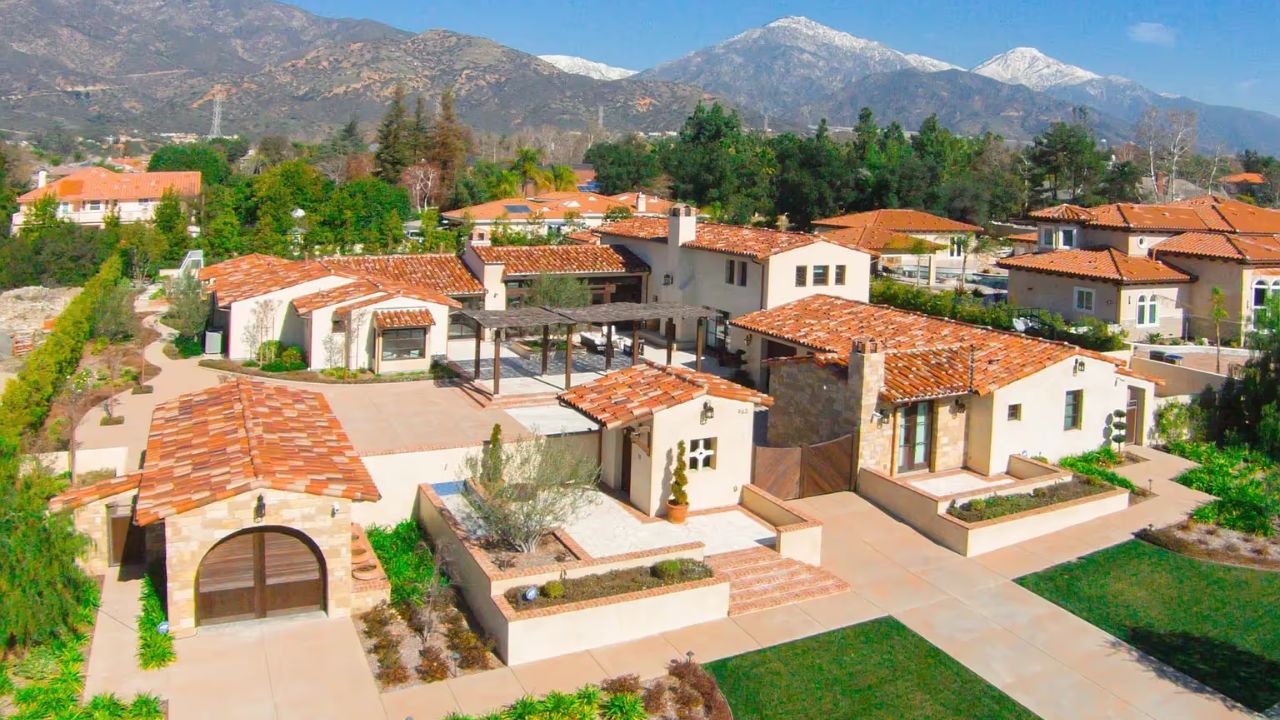
For those dreaming of a one-of-a-kind property, working with dedicated custom home builders means your vision from floor plan to finish selections is the starting point, not an afterthought. Custom builders are skilled at working through the design-build process collaboratively with architects, interior designers, and structural engineers to bring complex visions to life.
Evaluate Their Portfolio and Past Projects
A builder's past work tells you more than any sales pitch. Ask for a portfolio of completed projects, and if possible, request to visit one or two finished homes in person. Look for quality in the details: smooth transitions between materials, clean trim work, level floors, and well-sealed windows and doors.
Pay particular attention to projects that match your own. If you're planning a hillside home builder project, you want to see photos of hillside homes they've actually completed, not just flatland construction. If you're looking for custom home builders in the Los Angeles area, ask to see custom builds with similar square footage, design complexity, or material specifications.
Don't be shy about asking for references from past clients. A quality builder will have clients who are happy to speak about their experience. Ask those references specifically about communication, timeline adherence, how problems were handled, and whether the final cost stayed close to the original estimate.
Communication and Transparency Are Non-Negotiable
One of the most overlooked factors in choosing a builder is communication style. Construction is a months-long (often years-long) process, and how well your builder communicates can make or break the experience.
During your initial consultations, pay attention to how quickly they respond to messages, how clearly they explain processes, and whether they listen to your concerns. A builder who dismisses your questions or makes you feel rushed is showing you exactly how they'll behave once your deposit clears.
Ask how they handle change orders. No construction project goes exactly as planned materials get discontinued, inspections reveal surprises, and clients change their minds. A trustworthy builder will walk you through their change order process clearly and price changes transparently before work proceeds.
Understand the Budget and How They Handle It
Get a detailed, itemized bid from every builder you're seriously considering. Vague proposals like "custom home, approximately $800K" are red flags. A professional builder should be able to break down costs by category: foundation, framing, roofing, mechanical systems, finishes, and so on.
Be cautious of bids that seem unusually low. In the competitive Los Angeles construction market, a bid that's significantly below others often means the builder is cutting corners, using substandard materials, or planning to make up the margin through excessive change orders later in the project.
Ask about their cost-plus versus fixed-price contract options and understand the implications of each. For complex custom or hillside projects, a cost-plus model can offer more flexibility, but it requires a high degree of trust and transparency from your builder.
Look for Local Expertise
Building codes, permit timelines, and inspection requirements vary significantly across California jurisdictions. A builder who works regularly in your target area will know the local building department, understand regional soil conditions, and have established relationships with reliable subcontractors nearby.
For homeowners building in the foothills and residential communities northeast of Los Angeles such as those looking for home builders in Altadena local knowledge is especially important. These areas often involve hillside terrain, fire-hardening requirements under California's Wildland-Urban Interface (WUI) codes, and specific geological considerations that only experienced local builders navigate fluently.
Firms like AVICA Construction, which focus on custom and hillside residential projects in the greater Los Angeles area, are examples of builders who have developed deep familiarity with the specific challenges these communities present.
Ask the Right Questions Before You Commit
Before signing any contract, make sure you can answer yes to all of the following:
- Is the builder licensed and insured in California?
- Do they have a verifiable portfolio of projects similar to yours?
- Can they provide references from recent clients?
- Do they use a written contract with a detailed scope of work?
- Is their communication timely and clear?
- Do they have experience with your specific project type whether that's custom, multi-family, hillside, or slope lot construction?
- Is their bid detailed and competitive (not suspiciously low)?
Red Flags to Watch Out For
Even in a well-regulated market, predatory or underqualified contractors exist. Be wary of any builder who:
- Pressures you to sign quickly or offers a "limited time" discount
- Asks for a large upfront payment (California law limits initial deposits to 10% or $1,000, whichever is less)
- Has no physical address or established business presence
- Can't provide a written contract or itemized estimate
- Has unresolved complaints on the CSLB website or Better Business Bureau
The Bottom Line
Choosing the right home builder takes time, due diligence, and a willingness to ask hard questions. The investment in that research pays off enormously in a smoother construction process, a more accurate budget, and a finished home that reflects your vision and stands the test of time.
Whether you're exploring custom home builder options for a dream residence, seeking specialized expertise for a slope or hillside project, or looking into multi family home builders for an income property, the fundamentals remain the same: verify credentials, study their work, check references, and trust your gut when something feels off.
The right builder won't just construct your home. They'll be your partner through one of life's most meaningful projects and that's worth choosing carefully.
Easy steps to create a color palette
Lorem ipsum dolor sit amet, consectetur adipiscing elit lobortis arcu enim urna adipiscing praesent velit viverra sit semper lorem eu cursus vel hendrerit elementum morbi curabitur etiam nibh justo, lorem aliquet donec sed sit mi dignissim at ante massa mattis.
- Neque sodales ut etiam sit amet nisl purus non tellus orci ac auctor
- Adipiscing elit ut aliquam purus sit amet viverra suspendisse potent
- Mauris commodo quis imperdiet massa tincidunt nunc pulvinar
- Excepteur sint occaecat cupidatat non proident sunt in culpa qui officia
What is a color palette?
Vitae congue eu consequat ac felis placerat vestibulum lectus mauris ultrices cursus sit amet dictum sit amet justo donec enim diam porttitor lacus luctus accumsan tortor posuere praesent tristique magna sit amet purus gravida quis blandit turpis.

Don’t overspend on growth marketing without good retention rates
At risus viverra adipiscing at in tellus integer feugiat nisl pretium fusce id velit ut tortor sagittis orci a scelerisque purus semper eget at lectus urna duis convallis porta nibh venenatis cras sed felis eget neque laoreet suspendisse interdum consectetur libero id faucibus nisl donec pretium vulputate sapien nec sagittis aliquam nunc lobortis mattis aliquam faucibus purus in.
- Neque sodales ut etiam sit amet nisl purus non tellus orci ac auctor
- Adipiscing elit ut aliquam purus sit amet viverra suspendisse potenti
- Mauris commodo quis imperdiet massa tincidunt nunc pulvinar
- Adipiscing elit ut aliquam purus sit amet viverra suspendisse potenti
What’s the ideal customer retention rate?
Nisi quis eleifend quam adipiscing vitae aliquet bibendum enim facilisis gravida neque euismod in pellentesque massa placerat volutpat lacus laoreet non curabitur gravida odio aenean sed adipiscing diam donec adipiscing tristique risus amet est placerat in egestas erat.
“Lorem ipsum dolor sit amet consectetur adipiscing elit, sed do eiusmod tempor incididunt ut labore et dolore magna aliqua enim ad minim veniam.”
Next steps to increase your customer retention
Eget lorem dolor sed viverra ipsum nunc aliquet bibendum felis donec et odio pellentesque diam volutpat commodo sed egestas aliquam sem fringilla ut morbi tincidunt augue interdum velit euismod eu tincidunt tortor aliquam nulla facilisi aenean sed adipiscing diam donec adipiscing ut lectus arcu bibendum at varius vel pharetra nibh venenatis cras sed felis eget.